
Why viral skincare routines may be doing more harm than good—and why understanding your skin matters more than following trends.
By Seoulful Skin™ | The Clinical Authority in Korean Skincare
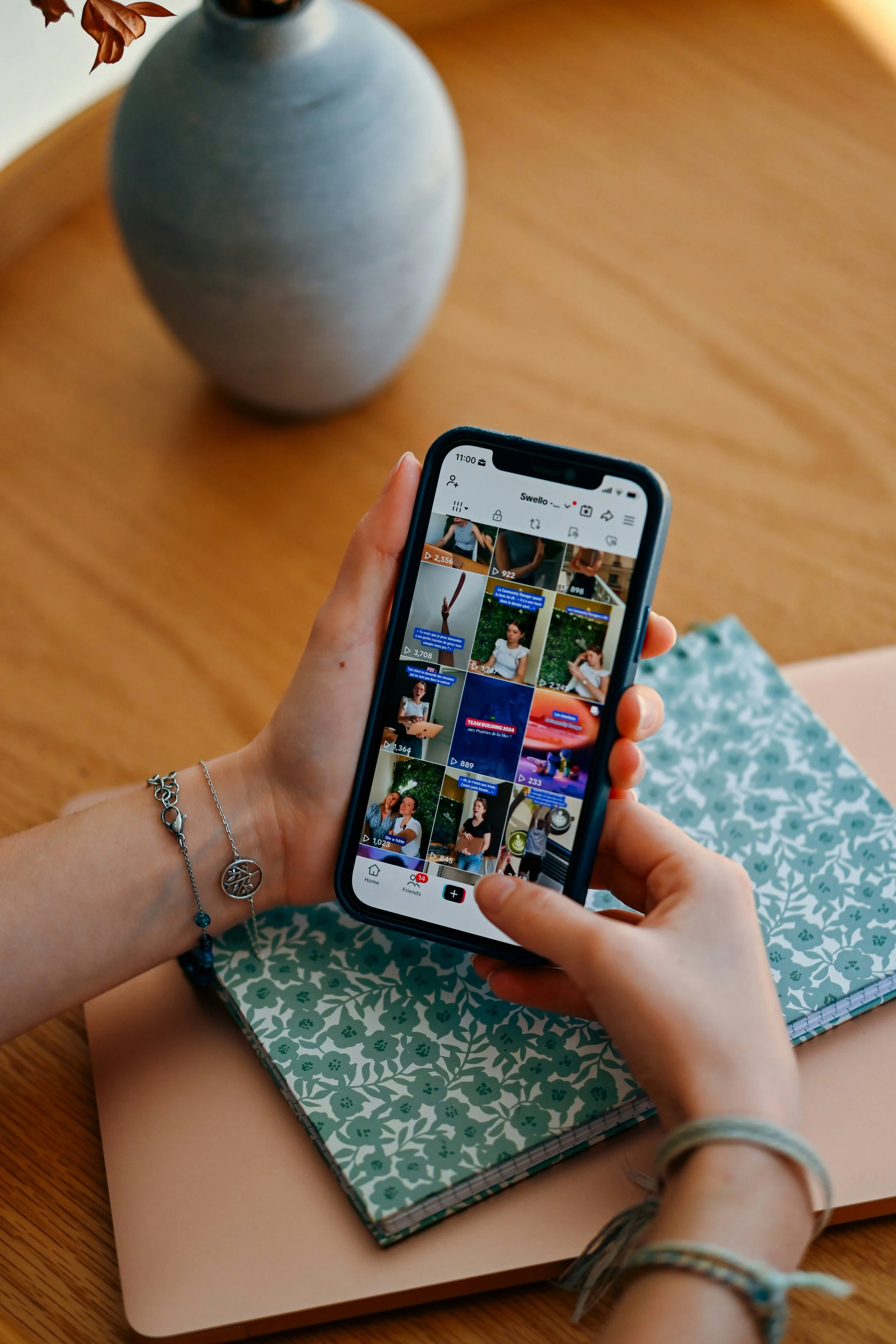
Your Skin Isn’t a Trend. So Why Are You Treating It Like One?
We’ve been saying it for a long time at Seoulful Skin™: Stop letting TikTok decide what goes on your face.
Not because we dislike social media. Not because we think every influencer is wrong. And certainly not because we don’t love Korean skincare.
We say it because we’ve seen what happens when people build their skincare routines around what’s trending instead of what their skin actually needs.
Over-exfoliation. Irritation. Compromised skin barriers. Breakouts. Redness. Sensitivity.
And now, new research is raising concerns about the very same issues.
In October 2026, Allure published an article examining research presented at the European Academy of Dermatology and Venereology (EADV) Congress. The findings highlighted potential risks associated with skincare routines influenced by social media.
For us, this is an important conversation—and one that is long overdue.
What Did the Research Actually Find?
The observational research followed 94 dermatology patients over 12 months. These patients had experienced new or worsening skin conditions after using beauty or skincare products promoted on social media.
Among these patients, researchers reported:
42% experienced irritant contact dermatitis.
Nearly 30% developed acne or experienced worsening acne.
12% experienced rosacea flares or rosacea-like dermatitis.
More than 10% developed post-inflammatory hyperpigmentation.
7% experienced superficial chemical burns.
Another concerning finding? 63% of patients were using more than three active skincare ingredients.
Nearly half reported building their routines entirely around social media recommendations.
These numbers are concerning, but context matters. This was a relatively small group of patients who had already experienced skin problems. The findings do not mean that 42% of all TikTok skincare users will develop dermatitis, nor do they establish that TikTok directly caused the conditions.
What they do demonstrate is why skincare recommendations deserve more scrutiny.
Popularity is not proof of safety. And millions of views do not make someone a skincare expert.
Good Ingredients. Bad Combinations.
One of the biggest misconceptions surrounding skincare is that if an ingredient is beneficial, using more of it must produce better results.
That’s simply not how skin works.
Consider some of the ingredients frequently promoted across SkinTok:
Retinoids: Valuable for treating acne, improving fine lines and supporting skin renewal, but capable of causing dryness, peeling and irritation, especially when introduced too aggressively.
Alpha-hydroxy and beta-hydroxy acids (AHAs and BHAs): Useful for exfoliation and certain acne concerns, but excessive use can disrupt the skin’s protective barrier.
Vitamin C: An important antioxidant with benefits for uneven pigmentation and photoaging, although some formulations—particularly those with low pH or high concentrations—can irritate sensitive skin.
Niacinamide: Generally well tolerated and useful for supporting barrier function, but irritation can still occur with certain formulations or concentrations.
None of these ingredients is inherently bad.
In fact, many are ingredients we recommend at Seoulful Skin.
The issue is how they’re formulated, combined, introduced and used.
Someone might see a video recommending an exfoliating toner, another promoting a retinol serum, and a third promising brighter skin with a vitamin C treatment.
Before long, they’ve combined several active products without understanding whether their skin can tolerate them.
Your skin doesn’t care how viral an ingredient is. It responds to the formulation, concentration, frequency and its own biological condition.
What If Your Acne Isn’t Just Acne?
This is something we encounter frequently at Seoulful Skin.
Clients come to us convinced they have excessively oily or acne-prone skin.
They’ve purchased oil-control cleansers, exfoliating toners, acne serums and drying spot treatments.
Yet their skin continues to feel irritated, tight or uncomfortable.
When we assess their skin, we sometimes discover something unexpected:
Their skin has very low sebum levels—even though they believe it’s oily.
This distinction matters.
Sebum is the skin’s natural oil. Hydration refers to water content. They’re not interchangeable.
A person can have adequate hydration but low sebum. Someone can also have oily skin and still experience dehydration.
And when people repeatedly strip their skin in an attempt to control oil, they may worsen dryness, irritation and barrier dysfunction.
A compromised barrier can produce symptoms that overlap with acne, including redness and inflammatory-looking bumps.
However, not every breakout is barrier damage. Acne, rosacea, periorificial dermatitis and contact dermatitis can sometimes look similar and require different approaches.
That’s why proper evaluation matters.
At Seoulful Skin, we look at the condition of the skin before recommending additional products. When a medical skin condition is suspected, we encourage appropriate dermatological care.
Sometimes the answer isn’t another acne treatment. It’s identifying what is irritating your skin in the first place.
The Korean Skincare Problem Isn’t Korean Skincare
Let’s make something very clear.
Korean skincare isn’t the problem. Misinformation about Korean skincare is.
K-beauty has introduced consumers around the world to sophisticated formulations, innovative textures and ingredients designed to address a wide range of skincare concerns.
But somewhere along the way, social media turned Korean skincare into a competition.
Ten-step routines. Glass skin overnight. Miracle serums. Endless layering. The next ingredient everyone supposedly needs.
In September 2026, researchers presented another study at the EADV Congress examining viral Korean skincare and “glass skin” TikTok videos.
Researchers analyzed 38 videos and found that nearly 95% contained at least one potentially misleading claim.
The content frequently lacked adequate discussion of individual skin needs, irritation risks and basic skincare safety.
This was a small, selected sample, so the findings cannot be generalized to every Korean skincare video. Nevertheless, they highlight an important concern.
A product being Korean doesn’t automatically make it appropriate for your skin. And a product being popular doesn’t mean you need it.
At Seoulful Skin, we believe Korean skincare is most valuable when its ingredients, formulations and application are understood—not when it’s treated as a collection of viral trends.
And Our Children Are Watching
Perhaps one of the most concerning developments in social-media skincare is the growing popularity of complicated routines among children and young teenagers.
A study published in Pediatrics in June 2025 examined 100 TikTok videos featuring skincare routines demonstrated by creators ages 7 to 18.
Researchers found that:
Routines contained an average of six skincare products.
The average cost was $168 per routine.
Only 26.2% of daytime skincare videos included sunscreen.
The 25 most-viewed videos contained an average of 11 potentially irritating active ingredients, with as many as 21 in some routines.
Many of these routines exposed young skin to ingredients with potential irritation or allergy risks without offering meaningful benefits for that age group.
Children generally don’t need elaborate anti-aging routines.
They need age-appropriate skincare, gentle cleansing when necessary, moisturizing when appropriate and consistent sun protection.
At Seoulful Skin, we believe skincare education should begin with understanding healthy skin—not teaching children to fear normal pores, texture or aging.
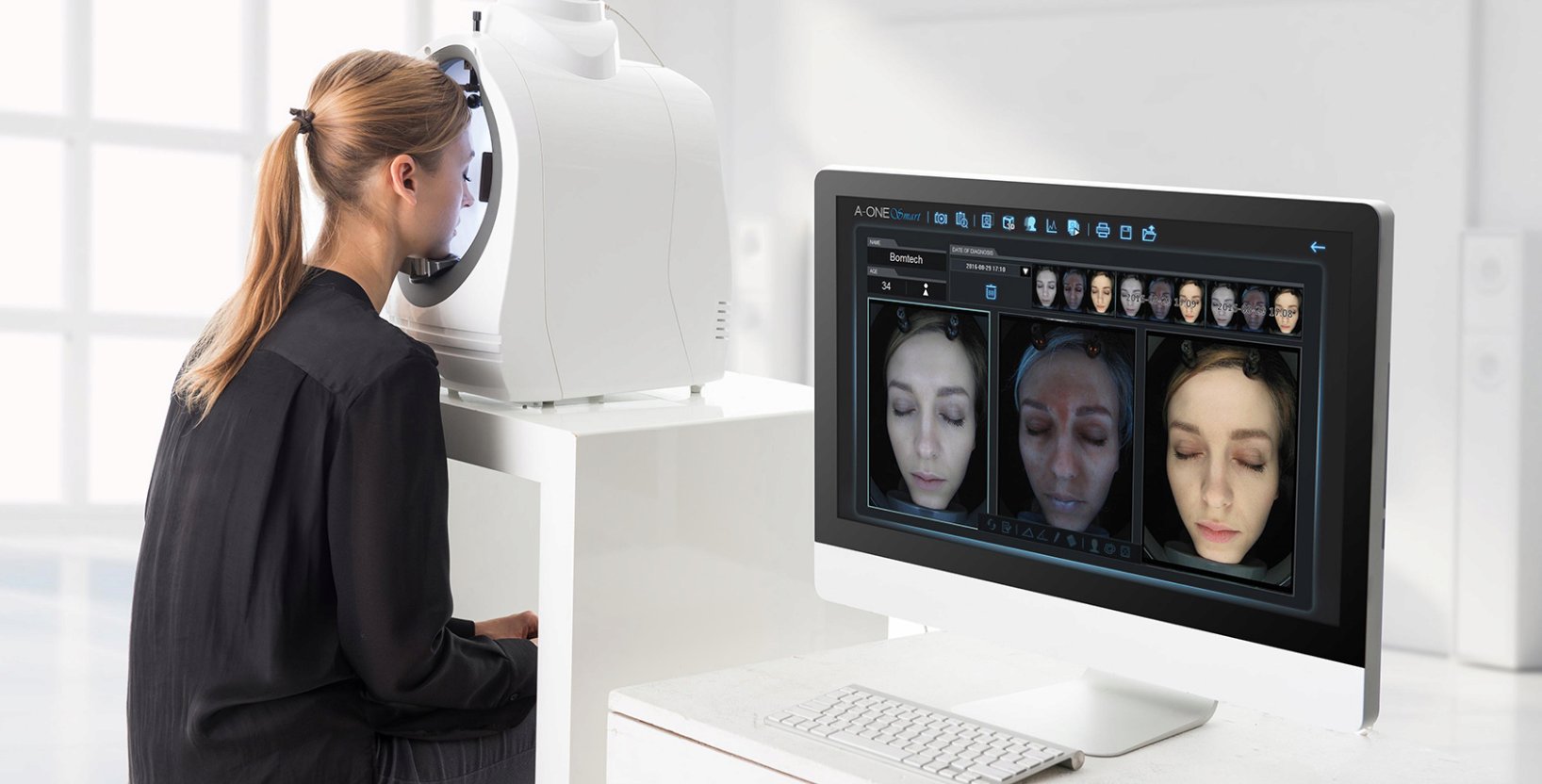
The Seoulful Skin Difference: We Want to Know YOUR Skin
An influencer can tell you what worked for them.
But they cannot determine what your skin needs simply because you watched their video.
At Seoulful Skin™, our approach begins with understanding the individual.
We evaluate factors such as:
Sebum levels: How much natural oil is present?
Hydration: Does the skin have adequate water content?
Visible barrier concerns: Is there dryness, irritation, redness or sensitivity?
Current skincare products: Are ingredients being duplicated or used too frequently?
Individual goals: Are we addressing acne concerns, pigmentation, visible aging, sensitivity or overall skin maintenance?
We use professional skin assessments, product knowledge and ingredient analysis to help clients develop more appropriate routines.
These assessments guide cosmetic skincare recommendations; they do not replace medical diagnoses or dermatological testing.
We also recognize that skincare needs can change with age, environmental conditions, medications, hormonal changes and lifestyle.
A routine that worked beautifully five years ago may no longer be the best choice today.
And that’s okay.
Skincare should evolve with your skin.
So, Should You Stop Taking Skincare Advice From TikTok?
Not necessarily.
Social media can introduce you to interesting ingredients, new products and emerging skincare technologies.
But there’s a difference between discovering a product and knowing whether that product belongs in your routine.
Before purchasing the next viral serum, ask yourself:
What specific concern am I trying to address?
Do I already use an ingredient that serves the same purpose?
Is this product appropriate for my skin’s current condition?
Could it conflict with or duplicate another active in my routine?
Am I purchasing it because I need it—or because everyone is talking about it?
When introducing an active treatment, start cautiously, follow product directions and monitor for irritation.
If your skin is persistently burning, peeling, inflamed or breaking out unexpectedly, continuing to add products may not be the solution.
And if symptoms are severe, persistent or suggest an inflammatory skin condition, consult a dermatologist.
Stop Chasing Trends. Start Understanding Your Skin.
At Seoulful Skin™, we aren’t interested in selling you a 10-step routine just because 10-step routines are popular.
We’re interested in helping you understand what your skin actually needs.
Sometimes that’s a carefully selected active treatment.
Sometimes it’s a more supportive moisturizer.
Sometimes it’s simplifying your routine.
And sometimes it’s recognizing that a concern requires medical evaluation rather than another cosmetic product.
Our philosophy is straightforward:
The best skincare routine isn’t the one with the most products. It’s the one that’s appropriate for your skin and consistently delivers results without unnecessary irritation.
That’s the foundation of the Seoulful Skin Method™.
We love Korean skincare. We believe in the value of thoughtfully formulated products. And we’re committed to helping our clients separate evidence-based skincare from marketing hype.
Because your skin deserves more than a trend.
It deserves to be understood.
Ready to Understand Your Skin?
Before purchasing another viral skincare product, visit Seoulful Skin™ for a personalized skin assessment and guidance on building a routine around your individual needs.
Whether you’re struggling with breakouts, dryness, sensitivity, pigmentation or visible signs of aging, we’re here to help you make more informed skincare decisions.
Seoulful Skin™
The Clinical Authority in Korean Skincare
27 Miller Dr.
Owingsville, Kentucky
859-334-0067
www.seoulful.skin
Research & References
Miller, K. (October 7, 2026). A New Study Links TikTok Beauty Routines to These Inflammatory Skin Conditions. Allure.
https://www.allure.com/story/social-media-skin-care-routine-study-2026
European Academy of Dermatology and Venereology Congress (2026). Research presented on social-media-promoted skincare products and inflammatory skin conditions, as reported by Allure. Conference findings should be interpreted as preliminary until full peer-reviewed methods and results are available.
European Academy of Dermatology and Venereology (September 29, 2026). Almost 95% of viral Korean skincare and ‘glass skin’ TikTok videos contain misleading claims, new study shows.
https://www.eurekalert.org/news-releases/1145581
Hales, M., et al. (2025). Pediatric Skin Care Regimens on TikTok. Pediatrics, 156(1), e2024070309.
https://doi.org/10.1542/peds.2024-070309
Educational disclaimer: This article provides general skincare education and is not intended to diagnose or treat medical skin conditions. Consult a licensed healthcare professional for persistent or concerning symptoms.