Can You Use Too Much Hyaluronic Acid? What Your Dry, Tight Skin May Be Trying to Tell You
Hyaluronic acid is one of skincare’s most popular hydrating ingredients. It appears in cleansers, toners, essences, serums, sheet masks, moisturizers and even sunscreens—sometimes all within the same routine.
But if hyaluronic acid is supposed to hydrate the skin, why do some people experience tightness, stickiness, stinging or worsening dryness while using it?
The answer is more nuanced than “hyaluronic acid is bad” or “you can never use too much.”
Hyaluronic acid can be an excellent hydrator. But healthy skin needs more than a single humectant—and repeatedly layering it cannot compensate for a compromised barrier, insufficient moisturizer or a routine that does not match your skin.
First, Hyaluronic Acid Is Not an Exfoliating Acid
Despite its name, hyaluronic acid does not behave like glycolic, lactic or salicylic acid. It does not exfoliate the skin.
Hyaluronic acid is a naturally occurring sugar molecule and a humectant—an ingredient that attracts and binds water. Topical hyaluronic acid can improve surface hydration and temporarily make the skin look smoother and plumper.
That does not mean every hyaluronic-acid product will work equally well for every person. Its effects depend on the complete formula, the molecular sizes used, the other ingredients in the product and the condition of the person’s skin.
Can Too Much Hyaluronic Acid Dry Out Your Skin?
There is not strong clinical evidence proving that simply using a “high amount” of topical hyaluronic acid universally dehydrates the skin or pulls water out of its deepest layers.
That popular explanation is often presented online as established science, but it is too simplistic.
What can happen is this:
Someone layers several products containing hyaluronic acid but uses too little moisturizer to support the skin barrier.
A lightweight hyaluronic-acid serum temporarily adds water without providing enough emollient or occlusive support to reduce its loss.
The person lives in a cold, dry or heavily climate-controlled environment where water evaporates from the skin more readily.
The skin barrier is already compromised by retinoids, exfoliation, acne treatments, over-cleansing, weather or an inflammatory skin condition.
The product contains another ingredient—such as fragrance, alcohol, preservatives or botanical extracts—that causes irritation.
Repeated layers create a tacky film, pilling or an uncomfortable tight sensation that the user interprets as dryness.
In other words, the problem may not be hyaluronic acid alone. It may be the formulation, the number of overlapping products or the lack of barrier-supporting ingredients around it.
More Hydration Products Do Not Always Equal More Hydrated Skin
This is where skincare routines can become misleading.
You may have hyaluronic acid in your cleanser, toner, essence, serum, sheet mask, moisturizer and sunscreen without realizing it. Adding another dedicated HA serum may be unnecessary—especially if your skin still lacks ingredients that help soften the skin and slow water loss.
True moisturization usually involves a balance of:
Humectants, such as hyaluronic acid, glycerin and beta-glucan, which help bind water
Emollients, such as squalane and skin-compatible oils, which soften and smooth
Occlusives, which form a protective layer that helps reduce water loss
Barrier-supporting lipids, including ceramides, cholesterol and fatty acids
This is one reason Seoulful Skin™ evaluates complete routines instead of recommending products based on one fashionable ingredient. A serum can be beautifully formulated and still be the wrong product—or an unnecessary extra step—for a particular person.
How to Use Hyaluronic Acid More Effectively
Apply it to slightly damp skin
Applying a hydrating product while the skin is slightly damp provides water for the formula to help retain. The skin should not need to be dripping wet.
Follow with an appropriate moisturizer
A moisturizer supplies more than water. Depending on the formula, it can add emollients, barrier lipids and occlusive ingredients that help keep hydration from evaporating.
People with dry, mature, compromised or treatment-stressed skin may need a cream rather than a very light gel.
Look at your entire routine
Check the ingredient lists of your toner, essence, serums, moisturizer and sunscreen. If nearly every step contains hyaluronic acid, you may not need a separate HA serum.
This does not mean multiple HA-containing products are automatically harmful. It means duplication should serve a purpose.
Adjust for your environment
Cold weather, indoor heating, air conditioning and low humidity can increase dryness. During those conditions, a richer moisturizer or more protective final layer may be more useful than adding another watery serum.
Pay attention to your skin
Persistent burning, itching, redness, swelling or rash should not be dismissed as “purging.” Stop the suspected product and seek medical care when symptoms are severe, persistent or suggest an allergic reaction.
Where Beta-Glucan Fits In
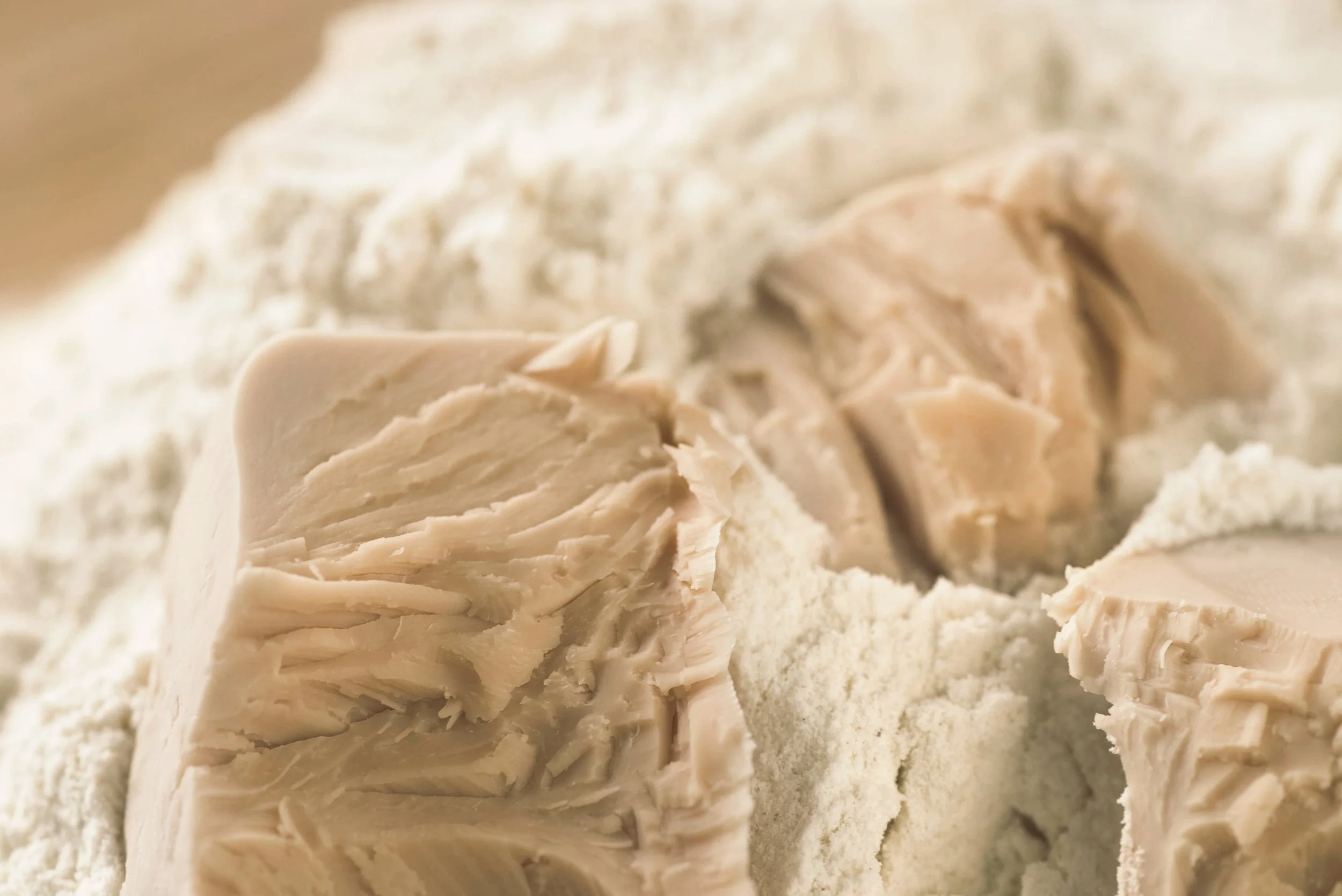
Beta-glucan is another humectant, but hydration is only part of what makes it interesting.
Beta-glucans are polysaccharides that may be derived from oats, yeast, fungi, algae and other sources. Their properties can vary depending on the source, molecular structure, concentration and formulation.
Topical beta-glucan has demonstrated water-binding, soothing and skin-supportive potential. Research also suggests possible roles in supporting barrier recovery and wound-healing processes, although many studies involve specialized medical formulations, laboratory models or small clinical studies. Those findings should not be used to claim that every beta-glucan cosmetic can heal damaged or diseased skin.
For everyday skincare, beta-glucan may be particularly appealing for skin that feels:
Dry or dehydrated
Sensitive or easily irritated
Stressed by weather or active ingredients
Uncomfortable after over-exfoliation
In need of gentler, barrier-conscious hydration
Beta-glucan is not automatically “better” than hyaluronic acid for every person. Nor is it accurate to say that nobody can ever use too much beta-glucan. Any ingredient or finished product can potentially cause irritation or be unnecessary when over-layered.
The advantage is that beta-glucan gives us another hydration option—especially when a routine has become overly dependent on hyaluronic acid or when calming and barrier support are priorities.
Hyaluronic Acid or Beta-Glucan: Which One Should You Choose?
You do not necessarily have to choose only one. Well-formulated products can contain both.
The better question is:
What is your skin missing?
If your skin is comfortable, resilient and responding well to hyaluronic acid, there is no reason to fear it.
If your skin remains tight despite using several HA products, adding more HA may not solve the problem. You may benefit more from reducing duplication and adding beta-glucan, glycerin, panthenol, ceramides or a more protective moisturizer.
And if products sting, your first priority may need to be barrier restoration—not another trendy serum.

Hydration Should Be Personalized
Dryness and dehydration are not identical, and a product that works beautifully for oily-but-dehydrated skin may be inadequate for low-sebum, mature, hormonally changing or barrier-impaired skin.
At Seoulful Skin™, we help clients look beyond the ingredient on the front of the bottle. Through professional skin analysis, routine evaluation and carefully selected Korean skincare, we can identify unnecessary repetition, potential sources of irritation and gaps in hydration or barrier support.
Our goal is not to convince you that hyaluronic acid is bad—or that beta-glucan is a miracle replacement.
It is to help you understand what your skin is telling you and build a routine in which every step has a reason to be there.
Seoulful Skin™
The Clinical Authority in Korean Skincare
27 Miller Dr., Owingsville, Kentucky
859-334-0067