K-Beauty in the Headlines: Is Korean Beauty Changing…or Just Growing?
July 2026 Industry Update from Seoulful Skin™
K-beauty has come a long way from being a niche beauty secret known only to skincare enthusiasts. Today, Korean beauty products are found in major retailers, trending across social media, and filling shelves around the world.
But with that growth comes an important question:
Is K-beauty becoming too Western…or is it simply becoming global?
At Seoulful Skin™, we believe it’s important to look beyond the headlines. Every month, we’ll break down what’s happening in the Korean beauty industry, why it matters, and what it could mean for you as a consumer.
Olive Young Comes to America
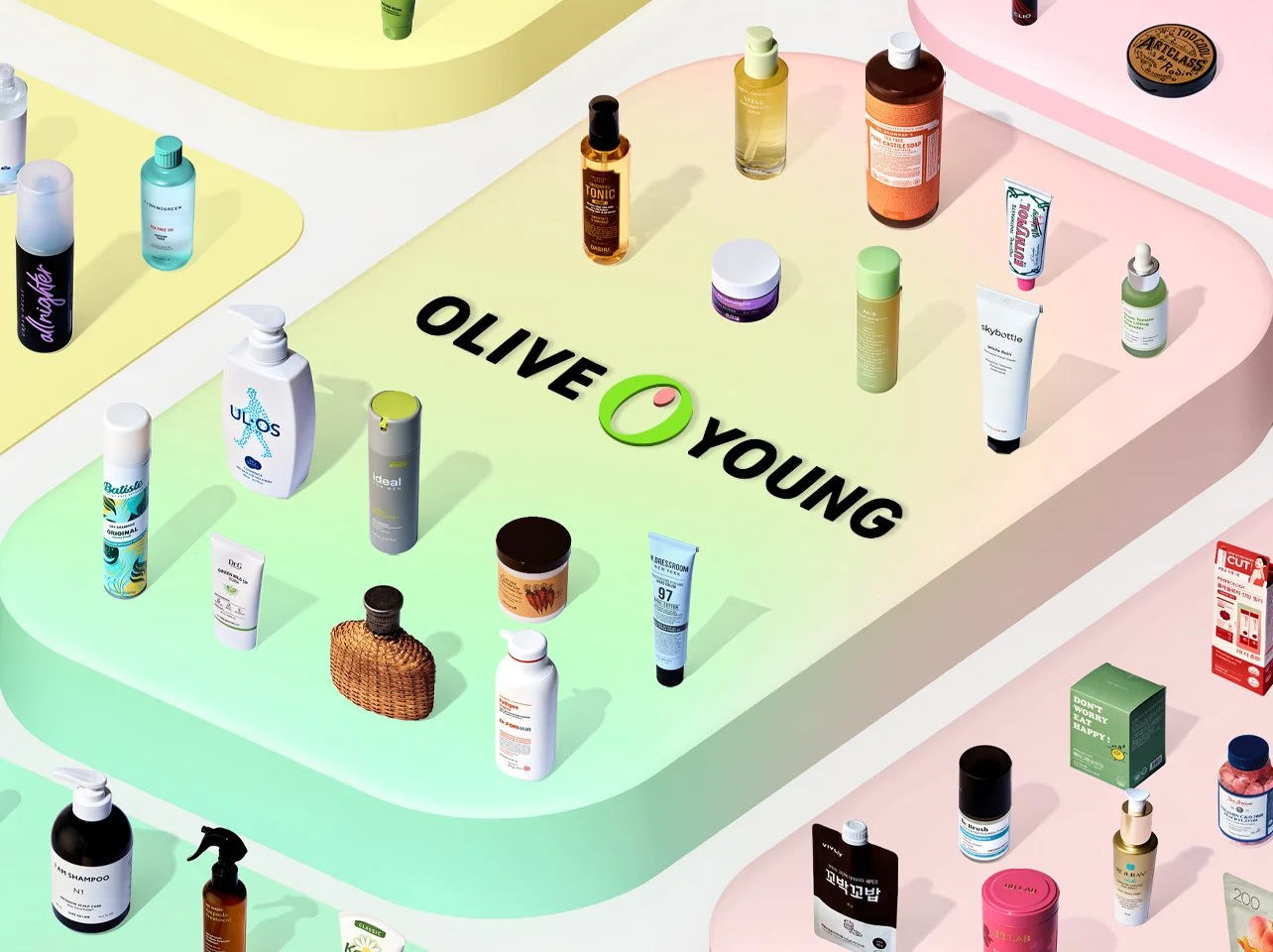
One of the biggest stories this summer was the opening of Olive Young’s first U.S. store in Pasadena, California.
For many longtime K-beauty fans, this was exciting news. Olive Young is often described as the “Sephora of Korea,” but in reality it’s much more than that. Walk into an Olive Young in Seoul and you’ll find thousands of products, emerging brands, exclusive launches, beauty tools, supplements, hair care, cosmetics, and skincare all under one roof.
When the U.S. location opened, many shoppers expected that same experience.
Instead, they found a much smaller product assortment and noticed that many familiar Korean brands were missing.
Does that mean Olive Young is abandoning its Korean roots?
We don’t think so.
Launching in another country requires brands to navigate distribution agreements, import regulations, retail partnerships, inventory logistics, and product registrations that simply don’t exist inside Korea. A smaller launch doesn’t necessarily reflect a change in philosophy—it reflects the realities of entering a new market.
We’ll be watching closely to see how Olive Young USA evolves over the next few years.
Is K-Beauty Becoming Too Western?
Another headline that caught everyone’s attention was Anua naming Kendall Jenner as its global ambassador.
The announcement sparked a debate across the beauty community.
For years, K-beauty built its reputation through innovative formulations, unique textures, and ingredient education—not celebrity endorsements.
Seeing one of the world’s biggest celebrities represent a Korean skincare brand naturally made some longtime fans wonder whether K-beauty is beginning to lose its identity.
It’s a fair question.
However, we think it’s important to separate marketing from formulation.
The marketing may be becoming more global.
The science is still overwhelmingly Korean.
Korean laboratories continue developing many of the ingredients, textures, and product concepts that later influence beauty trends around the world. A celebrity campaign doesn’t automatically mean the philosophy behind the products has changed.
The real question isn’t who appears in the advertisement.
The real question is whether brands continue investing in Korean research, innovation, and skin-first formulations.
So far, we believe the answer is yes.
Korea Continues to Regulate Cosmetic Claims
Another important story involved Medicube and Dr.G.
South Korean regulators recently ordered certain advertising for specific products to be suspended because some promotional claims did not comply with Korea’s Cosmetics Act.
This headline created understandable confusion online.
Here’s what it didn’t mean:
The products were not recalled.
The brands were not banned.
Regulators did not declare the products unsafe.
Instead, the issue centered on how the products were being advertised.
We actually view this as a positive reminder that South Korea takes cosmetic marketing seriously. Companies are expected to support the claims they make, helping consumers distinguish between realistic cosmetic benefits and exaggerated promises.
As skincare professionals, that’s something we appreciate.
America Is Driving K-Beauty’s Growth
South Korean cosmetics exports to the United States continue to grow at an incredible pace.
The U.S. has now overtaken China as South Korea’s largest export market for cosmetics by value.
That’s remarkable.
It means Korean beauty is no longer a niche category.
It’s becoming part of mainstream beauty shopping.
Consumers can now find Korean skincare in department stores, beauty retailers, online marketplaces, and specialty boutiques across the country.
Greater accessibility is something we celebrate.
But growth also brings new challenges.
Brands may feel pressure to simplify their messaging, prioritize globally recognizable products, or focus on viral trends rather than long-term innovation.
We hope global success never comes at the expense of what made K-beauty special in the first place.
Why Some Korean Brands Suddenly Disappear
One question we hear often is:
“Why can’t you get this brand anymore?”
Many people assume the product was discontinued.
Often, that’s not the case.
As Korean brands expand internationally, many enter exclusive distribution agreements or establish partnerships with larger retailers.
Those business decisions can change which stores are allowed to carry certain products.
Independent retailers sometimes lose access—not because they don’t want the products, but because the distribution model changed.
We’ve experienced this ourselves.
It’s one of the reasons we follow the business side of K-beauty so closely.
Understanding the industry helps us continue finding authentic Korean brands that align with our values and our customers’ needs.
K-Beauty Is Bigger Than Skincare
One of our favorite developments is seeing the rest of Korean beauty finally receive the recognition it deserves.
For years, the global conversation centered almost entirely on skincare.
Today we’re seeing growing interest in:
Korean scalp care
Hair treatments
Cushion foundations
Lip products
Inner beauty supplements
Wellness-focused beauty routines
That’s exciting because it reflects something deeply rooted in Korean beauty philosophy:
Healthy skin, healthy hair, and overall wellness work together.
Beauty has never been just about one serum.
It’s about caring for the whole person.
So…Is K-Beauty Changing?
Yes.
But perhaps not in the way many people fear.
Marketing is becoming more global.
Distribution is becoming more international.
Retail strategies are evolving.
Those changes are real.
At the same time, Korean researchers, manufacturers, and cosmetic laboratories continue leading innovation in ingredients, textures, barrier care, sunscreen technology, and skincare formulation.
In other words…
K-beauty is growing.
Not necessarily losing itself.
Our Perspective at Seoulful Skin™
At Seoulful Skin™, we don’t simply look at what’s trending.
We study the industry behind the products.
We monitor formulation updates.
We follow regulatory changes.
We pay attention to distribution shifts.
Most importantly, we personally test the products we recommend.
Our goal has never been to carry the most viral products.
Our goal is to help you discover authentic Korean skincare that truly deserves a place in your routine.
As K-beauty continues expanding around the world, we’ll continue doing what we’ve always done:
Research.
Test.
Educate.
Curate.
Because there’s a difference between selling Korean skincare…
and truly understanding it.
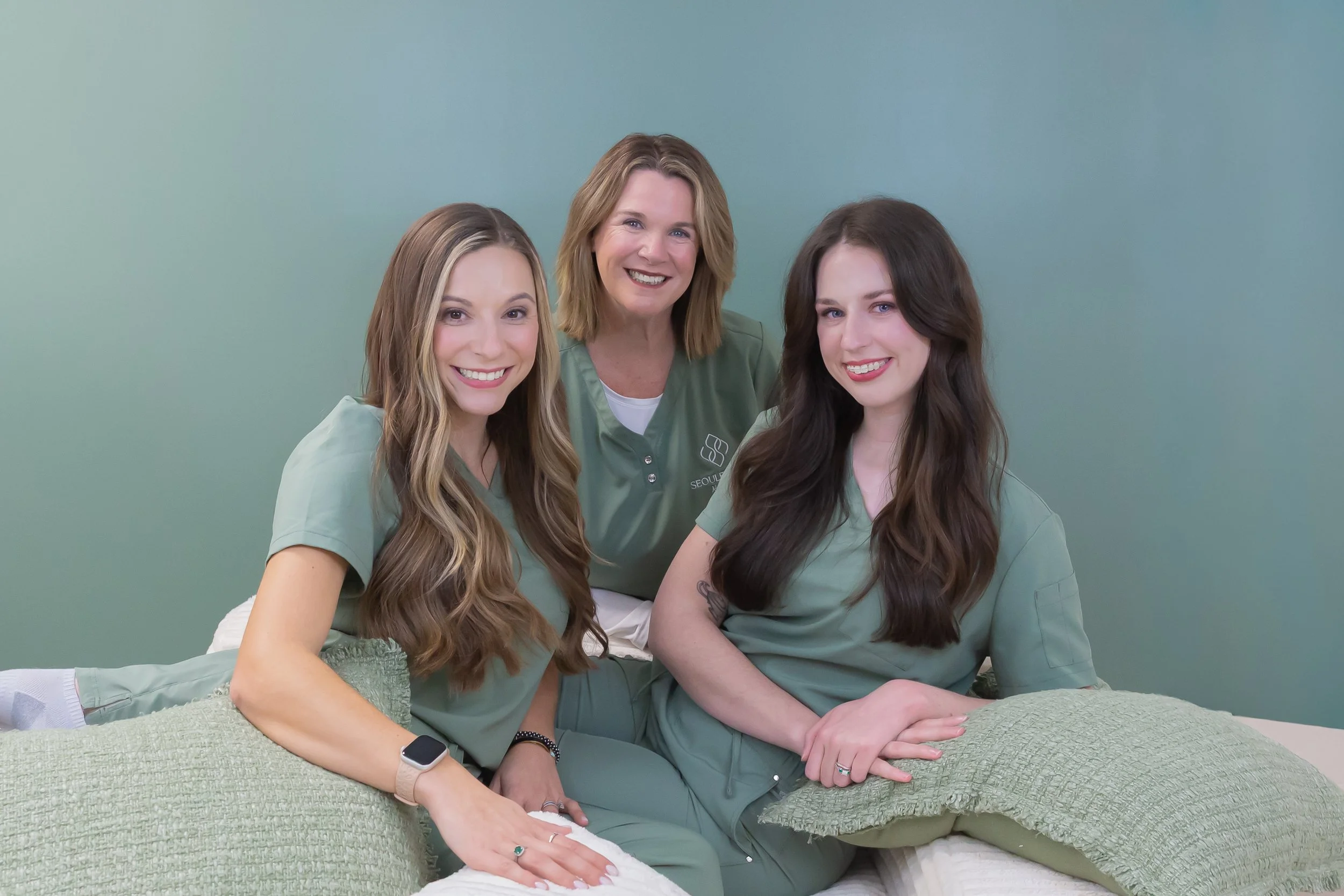
About Seoulful Skin™
Seoulful Skin™ is a licensed Korean skincare spa and retail boutique in Owingsville, Kentucky. We specialize in authentic Korean skincare, personalized skin analysis, and thoughtfully curated products sourced directly from authorized Korean distributors. Our mission is simple: help people build healthier skin through education, evidence-based product recommendations, and genuine Korean beauty innovation.