Your Skin at 50 Is Being Influenced by the Choices You Make Today
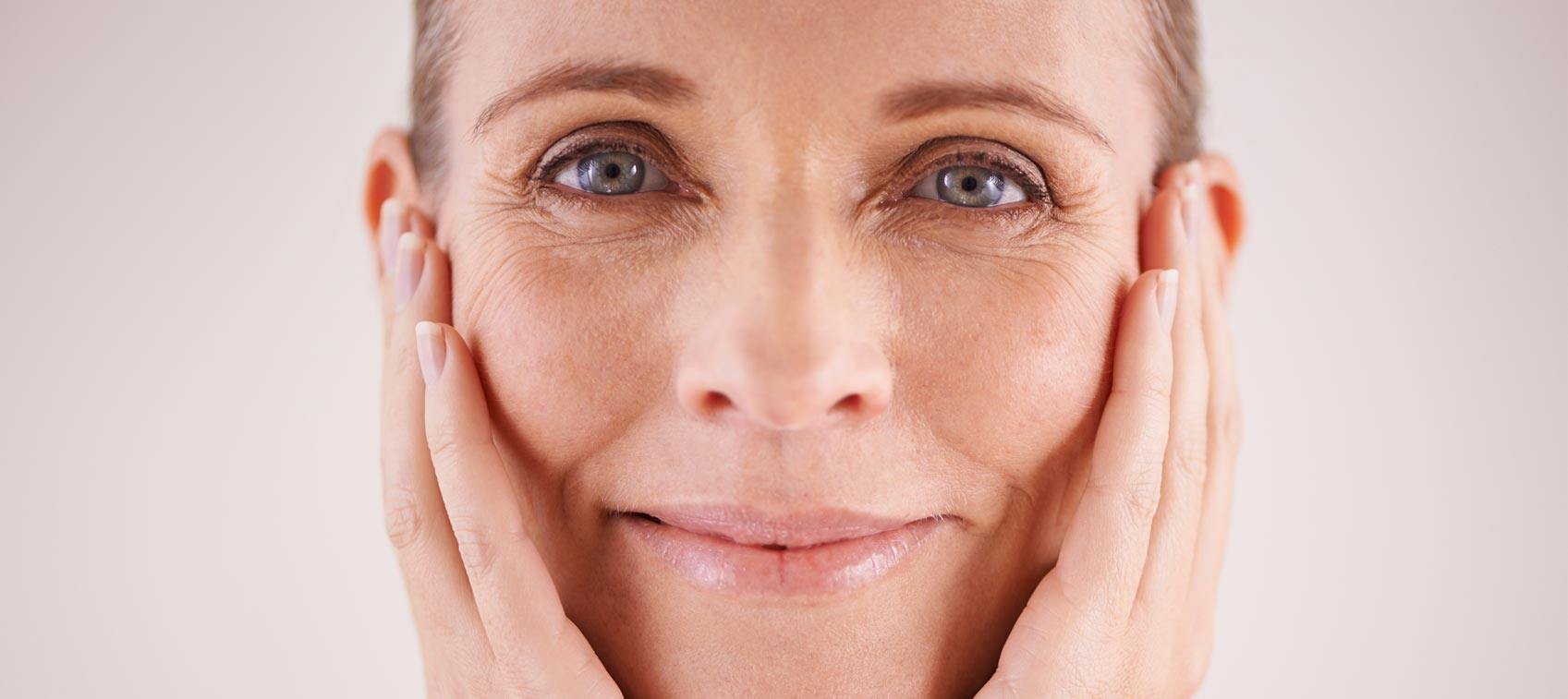
Most people think skin aging begins when they notice wrinkles, sagging, dryness, or age spots.
The truth is that many of the biological changes associated with aging begin decades before those signs become visible.
In fact, beginning in your mid-20s, your skin gradually starts changing in several important ways. These changes happen slowly, often without you noticing them, until one day your skin seems to look or feel different than it once did.
Understanding these changes can help you make informed skincare decisions today that support healthier skin for years to come.
Change 1: Collagen Production Gradually Slows
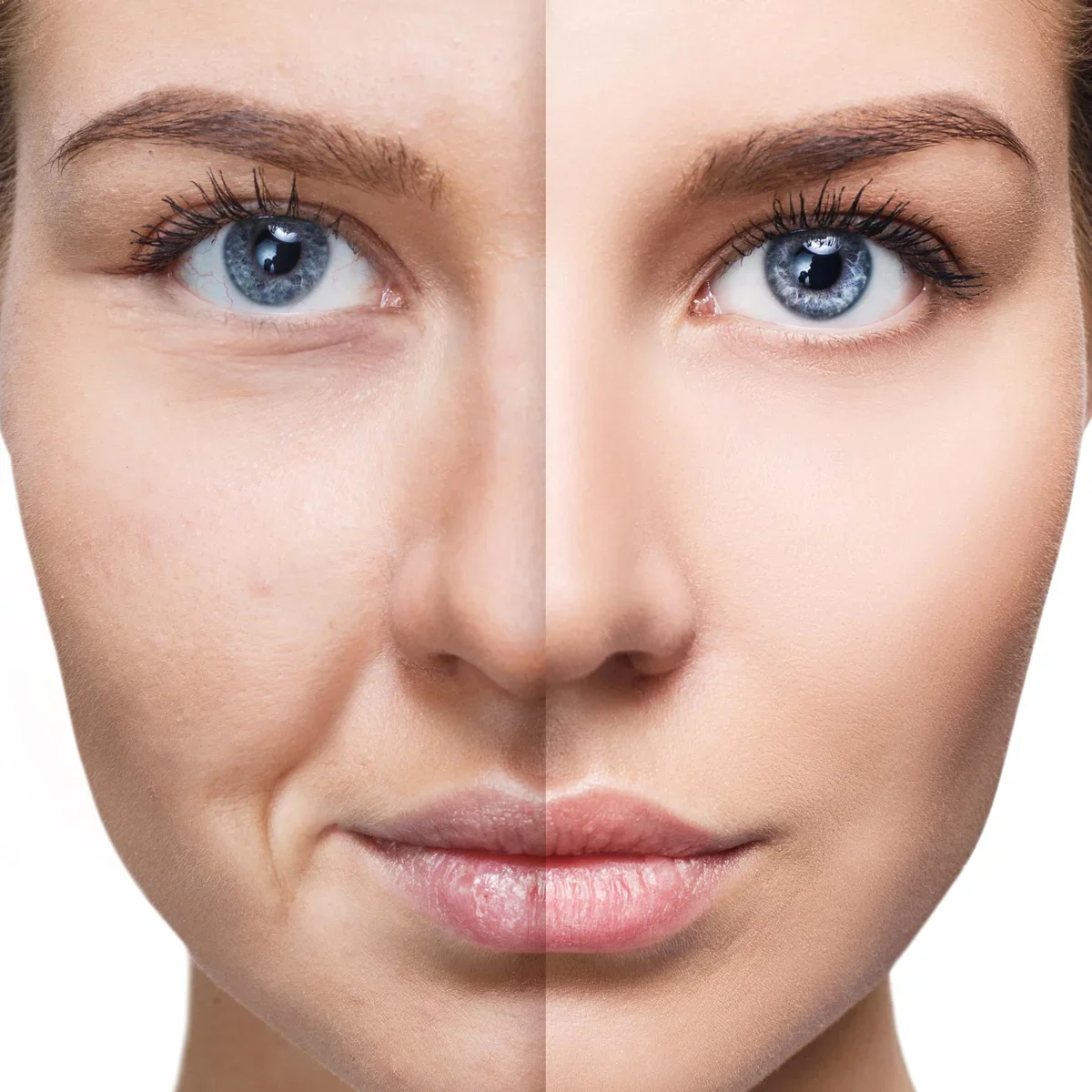
Collagen is the primary structural protein in the skin. It helps provide firmness, resilience, and support.
When we’re young, our bodies produce collagen efficiently. Beginning in our mid-20s, collagen production gradually begins to decline.
Over time, this can contribute to:
Fine lines and wrinkles
Loss of firmness
Reduced elasticity
Changes in facial contours
Ultraviolet (UV) exposure can accelerate collagen breakdown, which is one reason daily sunscreen remains one of the most important anti-aging habits you can develop.
Change 2: Hydration Reserves Begin Declining
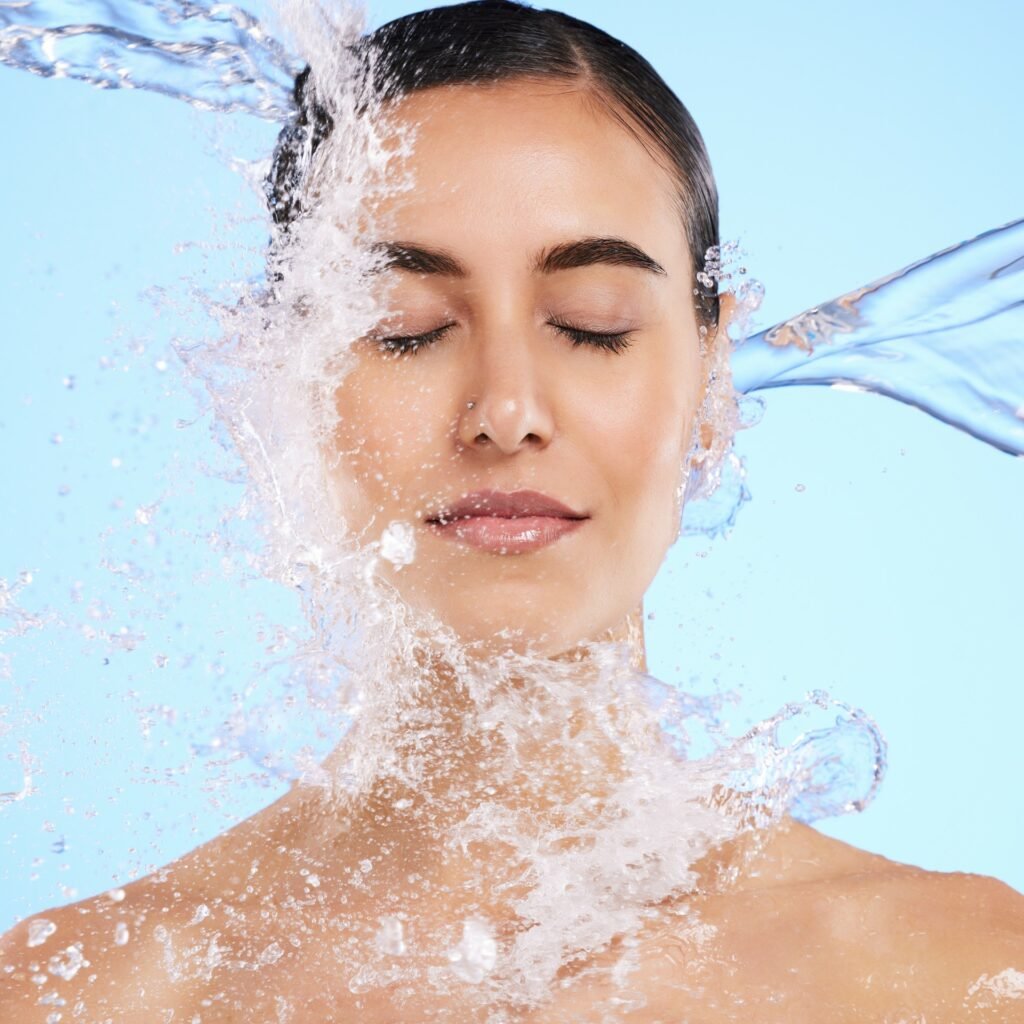
Healthy skin contains naturally occurring substances that help attract and retain water, including hyaluronic acid.
As these hydration reserves decline with age, many people begin to notice:
Increased dryness
Less plump-looking skin
More visible fine lines
Reduced skin bounce
This is often one of the first changes clients notice, even before wrinkles become a concern.
Change 3: Protective Skin Lipids Decrease
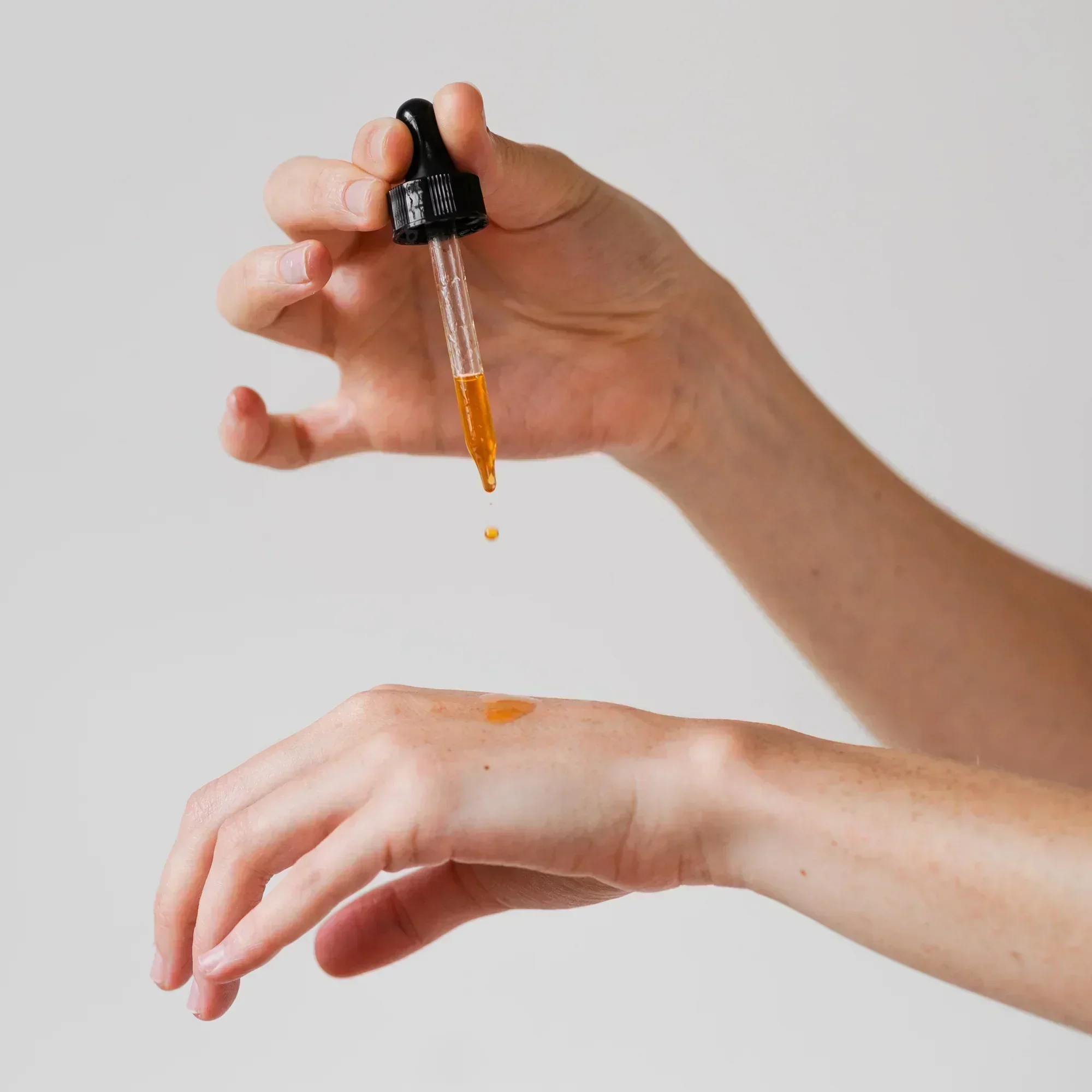
Your skin naturally produces protective oils and lipids that help support the skin barrier.
One of these lipids is squalene, which plays an important role in maintaining comfort, softness, and moisture retention.
As we age, these protective lipids gradually decline, making skin more vulnerable to:
Moisture loss
Dryness
Increased sensitivity
Barrier disruption
This is especially noticeable during hormonal transitions, including menopause.
Change 4: Cell Turnover Slows
When we’re younger, skin renews itself relatively quickly.
As we age, this renewal process becomes less efficient.
Dead skin cells remain on the surface longer, which can contribute to:
Dullness
Rough texture
Uneven skin tone
A less radiant complexion
Many people describe this change as their skin “looking tired” even when they feel healthy and well-rested.
What Accelerates These Changes?
Aging is natural and inevitable.
However, certain lifestyle factors can influence how quickly these changes occur.
Some of the most significant include:
Chronic UV exposure
Smoking
Excess sugar consumption
Chronic stress
Poor sleep
Inconsistent skincare habits
Repeated barrier damage from over-exfoliation or harsh products
While we cannot stop aging, we can support healthier aging through daily habits and consistent skincare practices.
What Products Can Help Support Aging Skin?
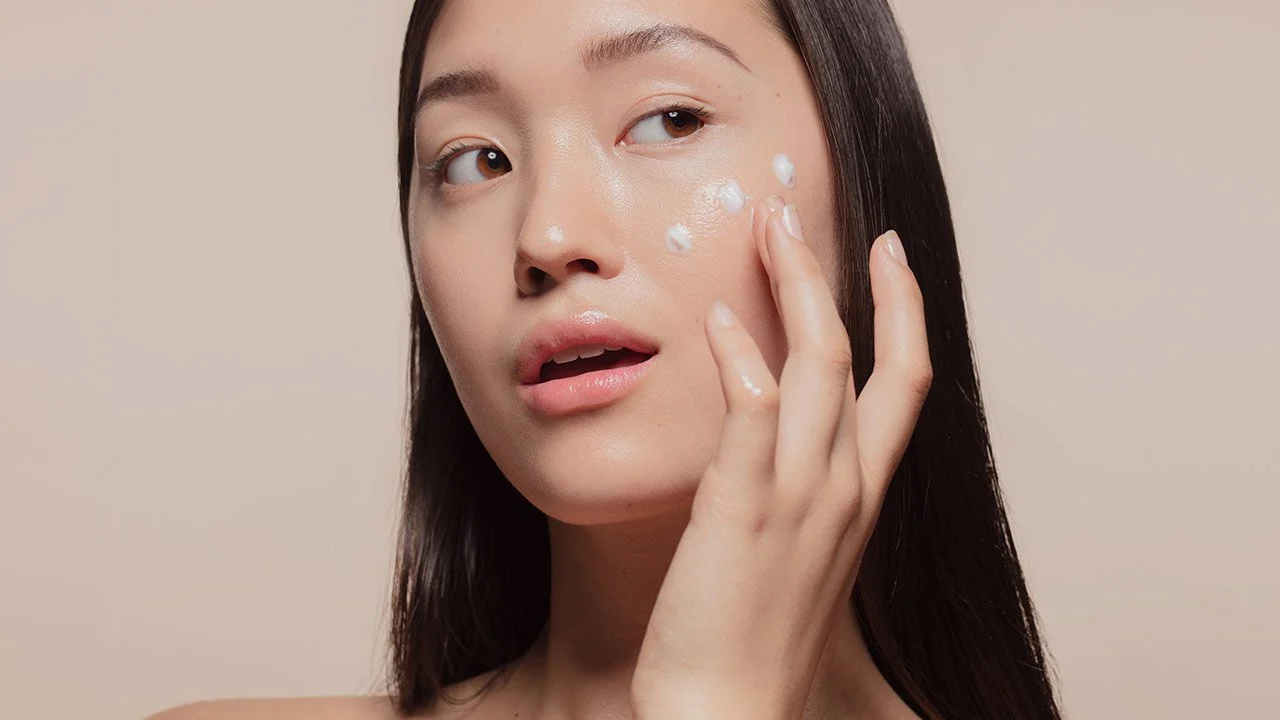
At Seoulful Skin™, we focus on supporting the skin’s natural functions rather than chasing quick fixes.
Some of our favorite categories for healthy aging include:
Hydration Support
Products containing hyaluronic acid and beta glucan can help support healthy moisture levels and improve skin comfort.
Barrier Support
Ingredients such as squalane, probiotics, bifida ferment, and ceramides help support a healthy skin barrier and reduce moisture loss.
Antioxidant Protection
Vitamin C and other antioxidants help protect against environmental stressors while supporting collagen production.
Skin Renewal Support
Products that encourage healthy skin renewal can help improve texture, brightness, and overall skin appearance.
Aging Well Requires More Than Great Products
One of the biggest misconceptions in skincare is believing that a single product will solve every concern.
Healthy skin is typically the result of consistency rather than complexity.
That means:
Using sunscreen daily
Following a personalized skincare routine
Supporting your skin barrier
Staying consistent over time
Monitoring changes as your skin evolves
Why We Believe in Clinical Skin Analysis
At Seoulful Skin™, we don’t believe in guessing.
We believe in understanding what’s happening beneath the surface.
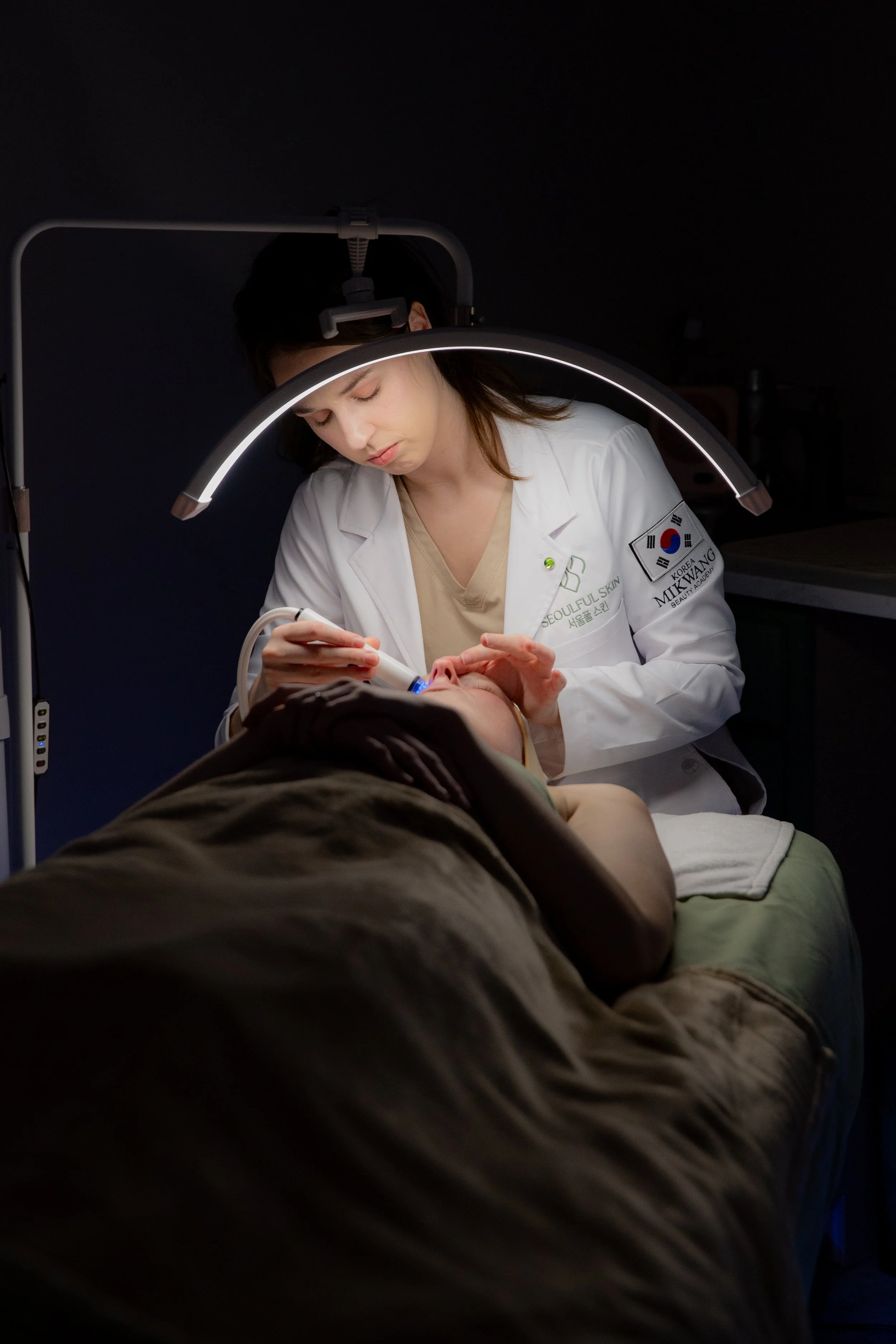
That’s why we utilize Clinical Skin Analysis to evaluate factors such as:
Hydration levels
Sebum production
Pore health
Pigmentation concerns
Sensitivity indicators
Overall skin condition
By tracking these measurements over time, we can make informed adjustments to your skincare routine as your skin changes.
Professional Treatments Can Help Support Your Goals
Home care is the foundation of healthy skin.
Professional treatments can help enhance and maintain those results.
Depending on your skin’s needs, some of our favorite healthy-aging treatments include:
Korean Aqua Peel Facial
Oxygen Collagen Therapy Facial
Signature LBK Facial
Customized Korean Facial Treatments
These services are designed to support hydration, barrier function, skin comfort, and overall skin health while complementing your home routine.
The Seoulful Skin Philosophy
Your skin is changing.
The question is whether you’re tracking those changes.
At Seoulful Skin™, every skincare journey begins with Clinical Skin Analysis and a customized Korean skincare strategy designed specifically for your skin’s needs, goals, lifestyle, and biological changes.
Because healthy skin isn’t created by one product.
It’s created through education, consistency, professional guidance, and a personalized plan.
Seoulful Skin™…The Clinical Authority in Korean Skincare
Your skin at 50 is being influenced by the choices you make today.