2026 Will Be the Year of Repair-First Skincare
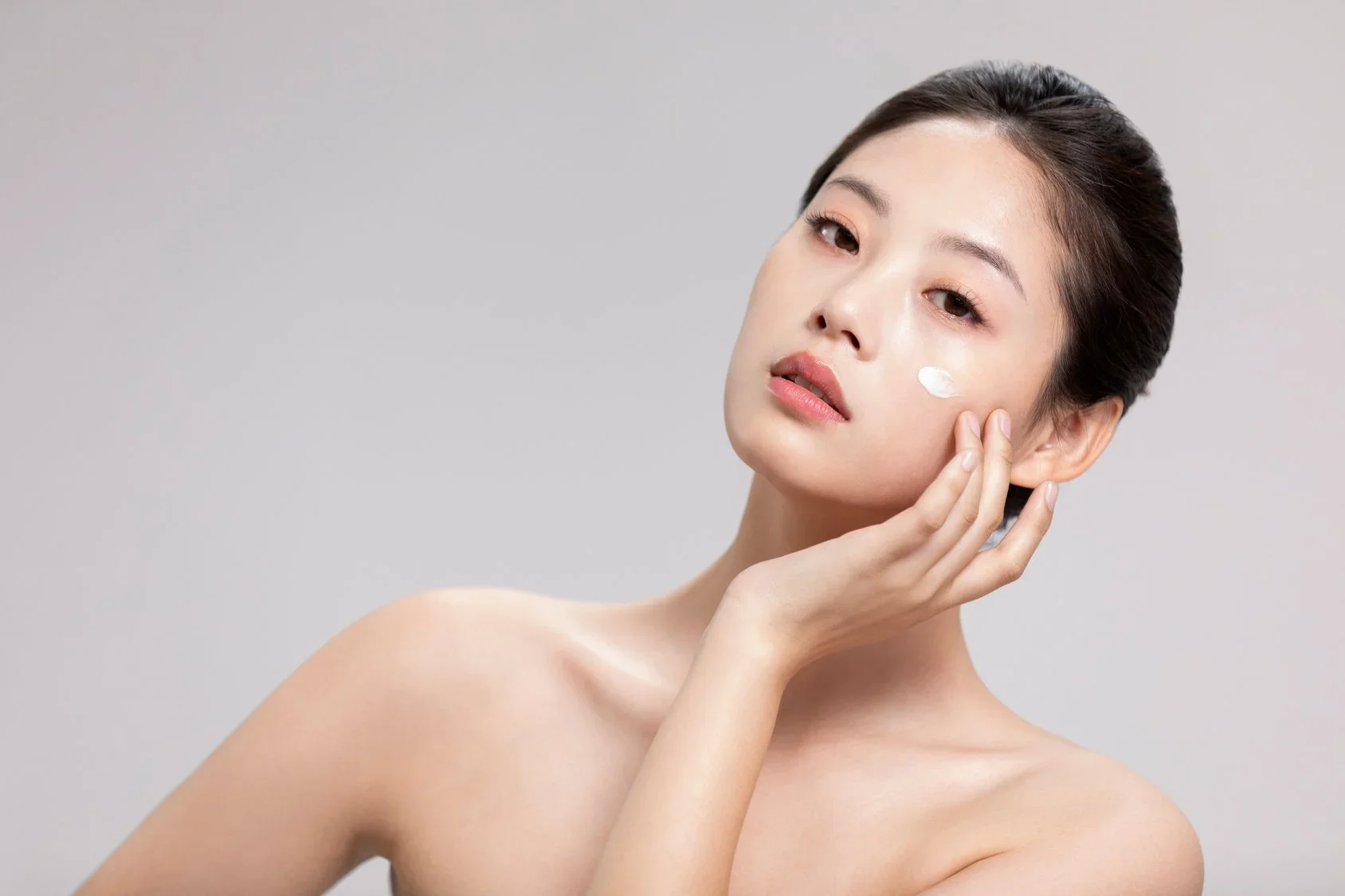
Why Skin Barrier Repair, Regeneration, and Smart Ingredients Are Leading the Future of Skin Health
For years, skincare trends were dominated by stronger actives, faster results, and aggressive exfoliation.
But as both dermatology research and Korean clinical skincare philosophies have evolved, one thing has become clear:
Healthy skin begins with repair.
In 2026, the skincare industry is shifting toward a repair-first approach focused on strengthening the skin barrier, calming inflammation, and supporting the skin’s natural regenerative processes.
Rather than pushing the skin harder, modern skincare aims to restore balance, resilience, and long-term skin health.
At Seoulful Skin™ in Owingsville, Kentucky, this philosophy is the foundation of The Seoulful Skin Method™, our Korean clinical-inspired approach to barrier repair and regenerative skincare.
Below are the key ingredient categories shaping the future of skincare.
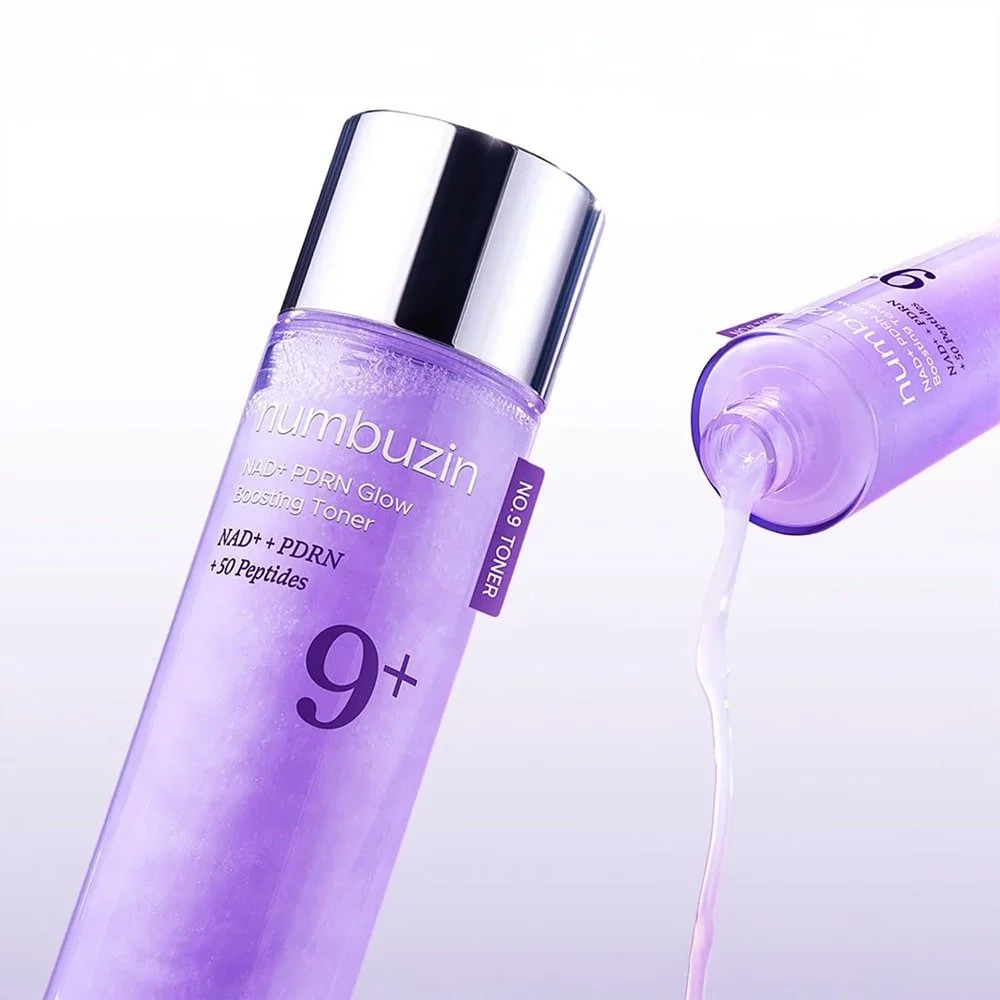
PDRN & Polynucleotides
The Regenerative Ingredient Leading the Conversation
One of the most talked-about ingredients in Korean skincare and dermatology right now is PDRN (Polydeoxyribonucleotide) and related polynucleotide technologies.
These ingredients are widely associated with skin recovery and regeneration support, particularly for stressed or compromised skin.
Why it’s trending
PDRN is often used in advanced Korean skincare routines focused on:
skin recovery
improving the appearance of texture and elasticity
supporting post-procedure skin recovery
In Korea, polynucleotide ingredients are frequently incorporated into skin-restoration routines after professional treatments.
Who benefits most
PDRN-based skincare can be particularly supportive for:
skin experiencing visible stress or dullness
individuals undergoing hormonal or metabolic skin changes
post-treatment recovery routines
compromised skin barrier phases
These ingredients are becoming especially popular for individuals experiencing skin changes related to GLP-1 medications or hormone therapy, where the skin may appear thinner, drier, or less resilient.
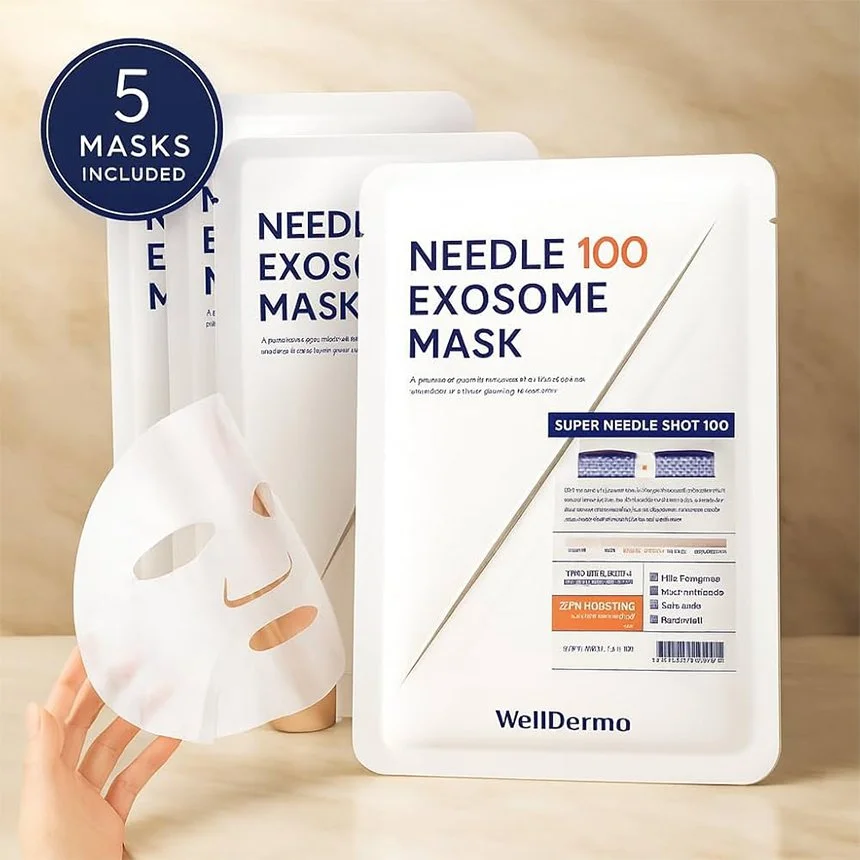
Exosomes
The “Future-Focused” Category Entering the Mainstream
Another rapidly emerging category is topical exosome skincare.
Exosomes are microscopic vesicles naturally released by cells that help carry signaling molecules. In skincare, the goal is to support skin communication pathways associated with repair and resilience.
Why it’s gaining attention
Exosome-focused skincare is often positioned for:
barrier recovery
post-procedure routines
improving visible skin resilience
However, it’s important to understand that topical exosomes remain a fast-moving category with mixed evidence, and consumers should approach the marketing claims carefully.
At Seoulful Skin™, we emphasize balanced ingredient education and evidence-based routines, rather than chasing hype.
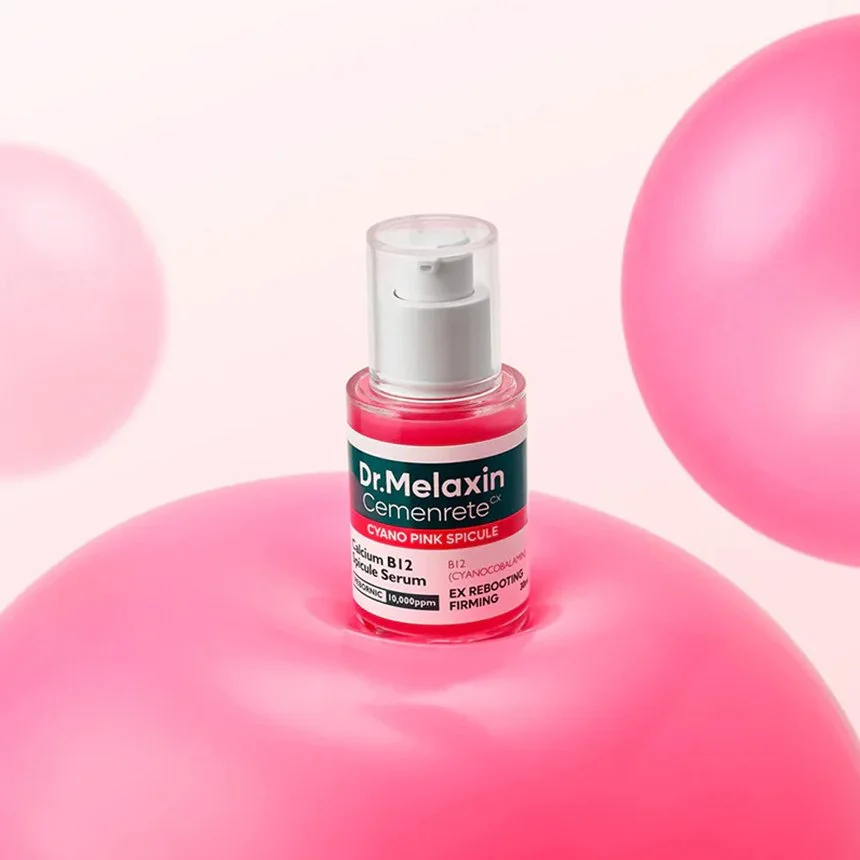
Spicules
The Rise of At-Home “Micro-Channeling”
Spicules are microscopic needle-like structures derived from marine sponges that create tiny pathways in the skin when applied topically.
This sensation can feel similar to a mild microneedling effect.
Why they became popular
Spicules are often used to:
improve the appearance of skin texture
enhance product absorption
support smoother-looking skin
However, they are not ideal for compromised skin barriers, and should be used cautiously in sensitive or reactive skin types.
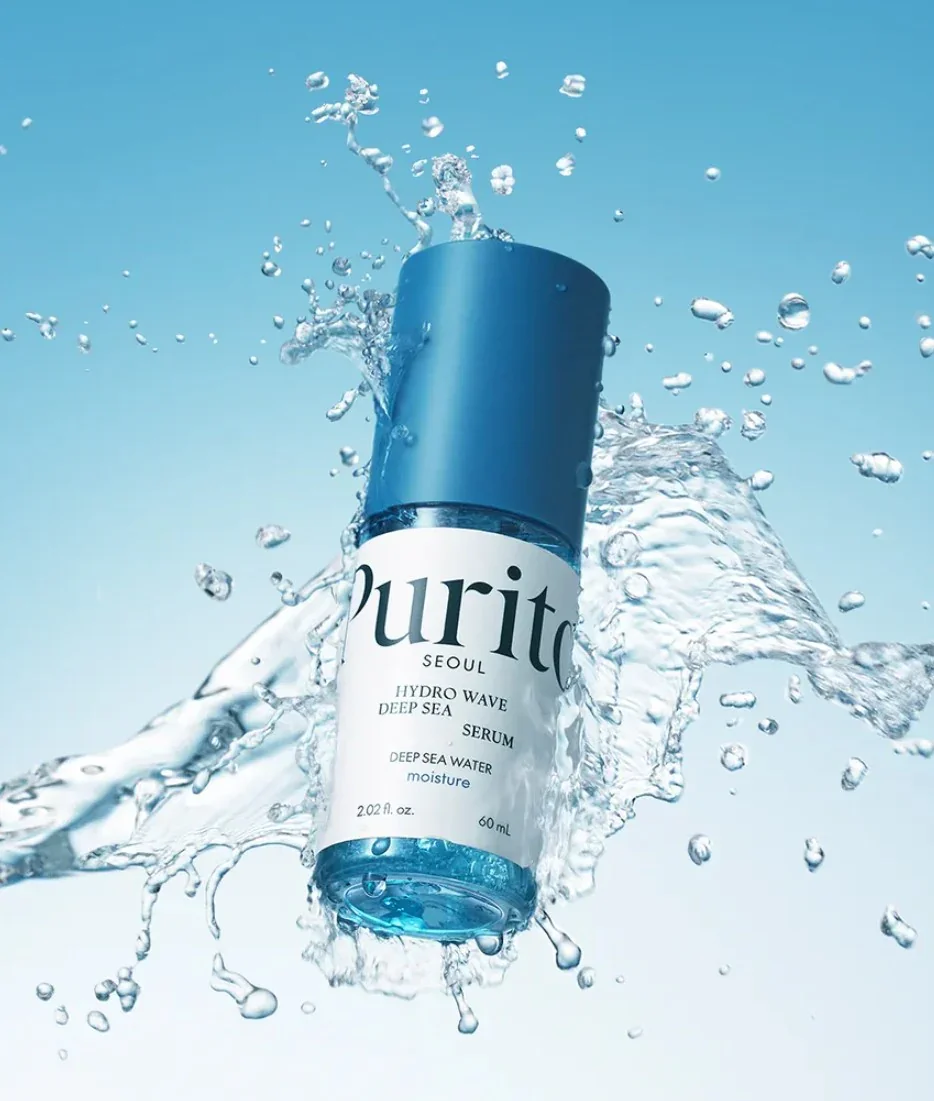
Ectoin
The Anti-Stress Molecule for Modern Skin
Environmental stress is one of the biggest contributors to skin barrier damage.
Ectoin is a protective molecule originally discovered in microorganisms that survive extreme environments.
What it does
In skincare, ectoin is known for helping support:
skin barrier defense
hydration stability
environmental stress protection
Because of these properties, ectoin is becoming increasingly popular in modern barrier-focused skincare routines.
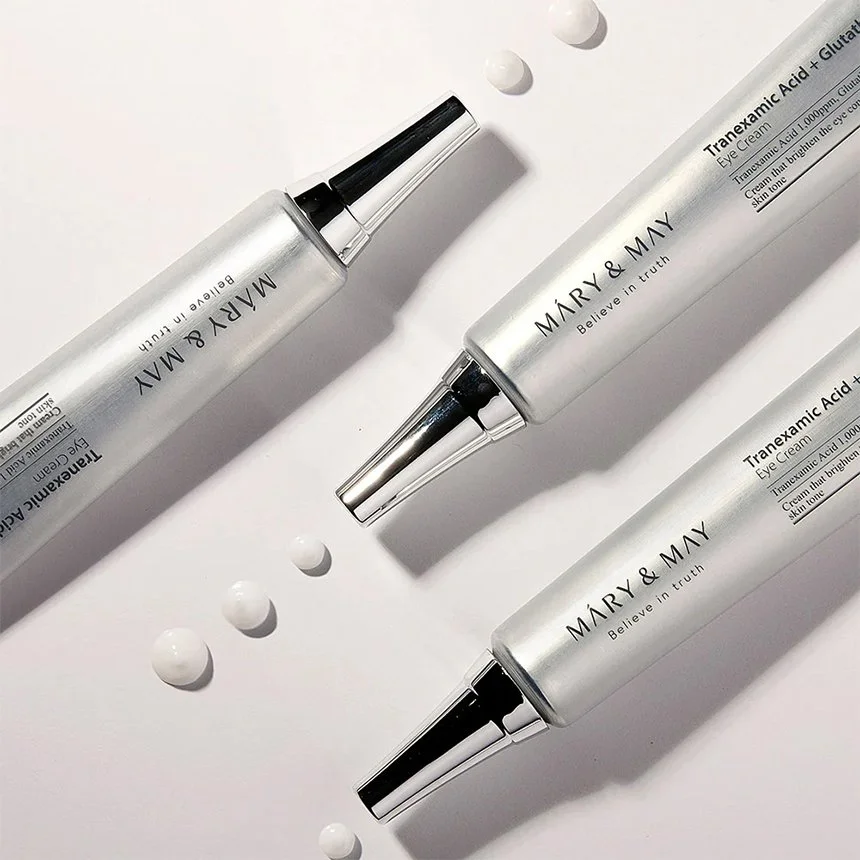
Tranexamic Acid
A Gentle Alternative for Tone Correction
Hyperpigmentation treatments have also evolved.
Instead of relying on aggressive exfoliation or irritation-based treatments, skincare professionals are increasingly using tranexamic acid (TXA) to address uneven tone.
Why it’s gaining popularity
Tranexamic acid is commonly used to help improve the appearance of:
dark spots
post-acne marks
uneven tone
The advantage is that it can support pigment correction while maintaining barrier health, which is why it has become a favorite ingredient in Korean skincare formulations.
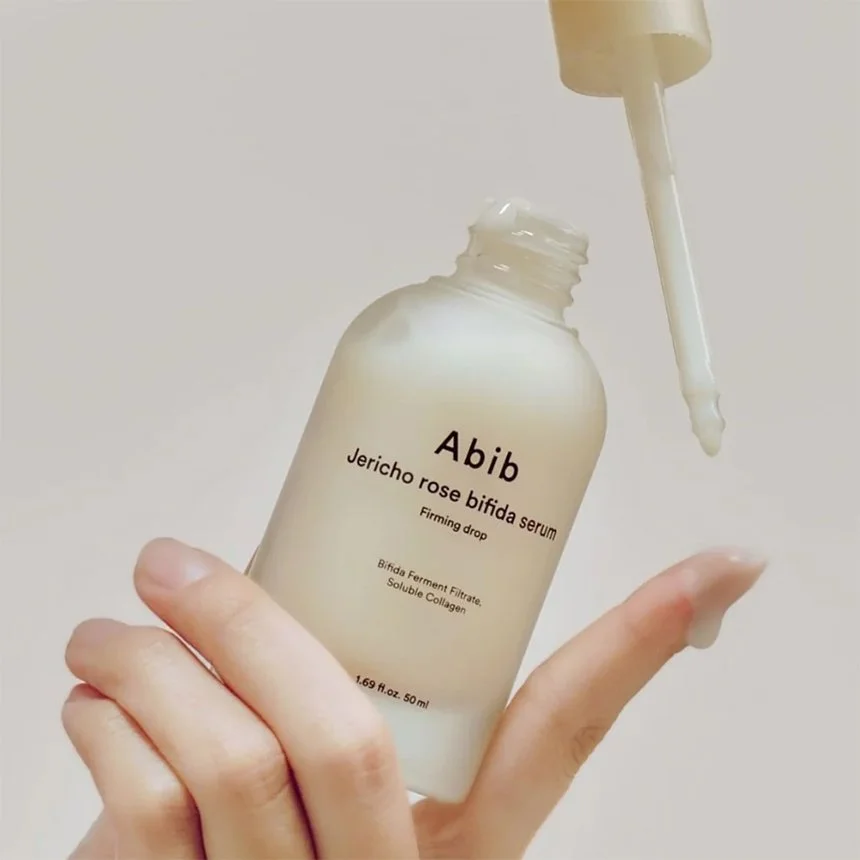
Fermented Ingredients
Bifida & Centella Ferments
Fermented skincare ingredients have been a cornerstone of Korean skincare for years.
Ingredients such as Bifida Ferment Lysate and Centella ferments help support the skin’s natural microbiome and barrier function.
What they support
These ingredients are often used to:
• strengthen the skin barrier
• calm visible redness
• support recovery from irritation or over-exfoliation
They are particularly beneficial for sensitive or reactive skin.
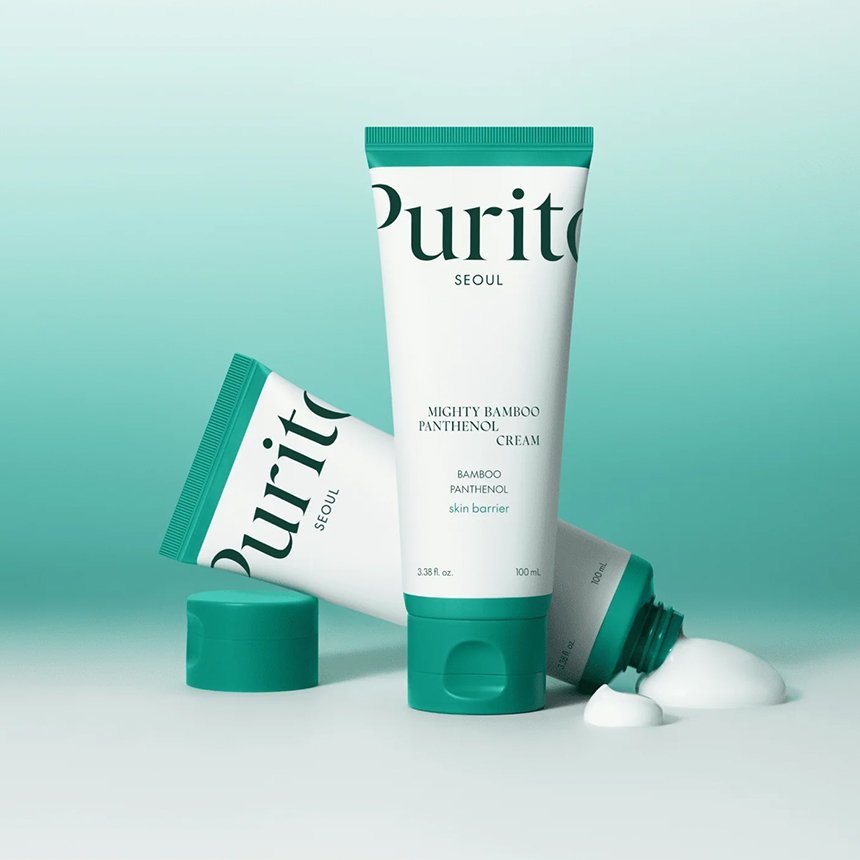
Panthenol
The Barrier Repair Essential
Panthenol, also known as Pro-Vitamin B5, is one of the most trusted ingredients in barrier repair skincare.
Benefits of panthenol
Panthenol helps:
attract moisture into the skin
strengthen the barrier
calm visible redness and dryness
Because it is extremely well-tolerated, it is frequently used in sensitive-skin and recovery-focused skincare routines.
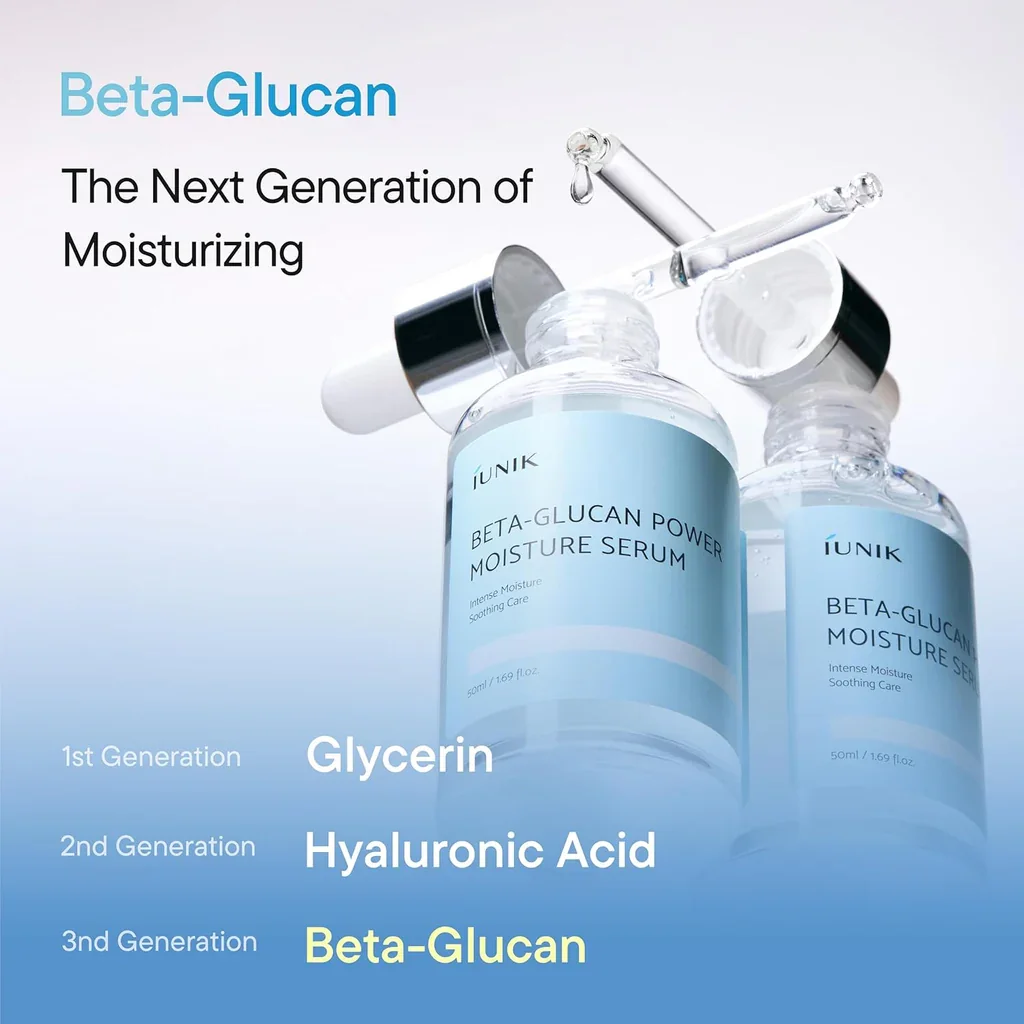
Beta-Glucan
The Next-Generation Hydration Ingredient
Hydration is evolving beyond simple humectants.
Beta-glucan is gaining attention for its ability to support both hydration and barrier strength.
What makes it unique
Beta-glucan can:
deeply hydrate the skin
support barrier resilience
help calm visible irritation
Some research suggests beta-glucan may provide stronger moisture retention than hyaluronic acid, although more clinical studies are still emerging.
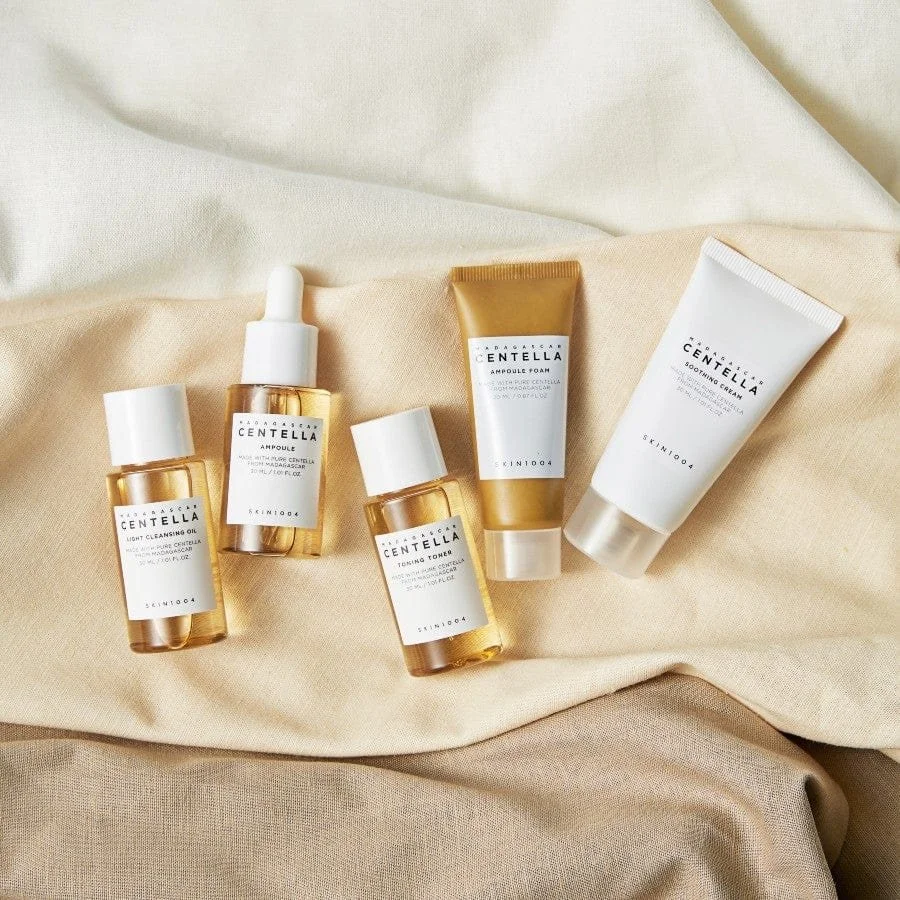
Centella Asiatica
The Ingredient That Never Went Out of Style
While new ingredients come and go, Centella Asiatica remains one of the most trusted barrier-repair ingredients in skincare.
Centella is widely used in Korean dermatology-inspired skincare for its calming and restorative properties.
What it supports
Centella helps:
calm visible redness
strengthen the skin barrier
improve tolerance to active ingredients
For anyone experiencing sensitive, reactive, or over-treated skin, Centella remains a gold-standard ingredient.
The Seoulful Skin™ Standard
At Seoulful Skin™, we believe skincare should always prioritize safety, education, and skin health.
All services are performed by a licensed esthetic professional trained in Korean clinical skincare techniques, and we operate in full compliance with professional standards and state regulations.
Our approach combines:
advanced skin analysis
Korean clinical-inspired treatment protocols
personalized ingredient-focused skincare routines
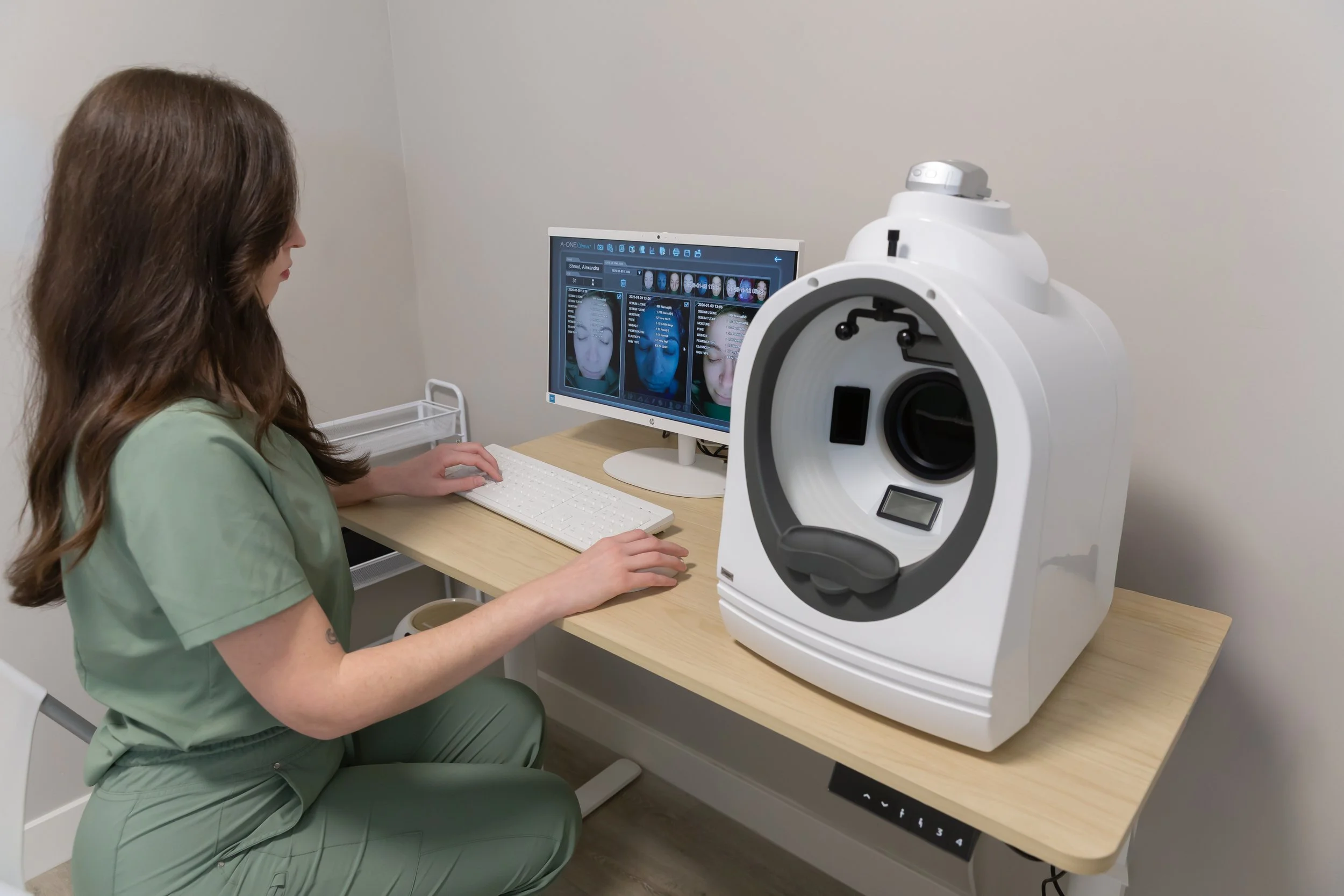
Professional Skin Analysis with the Bomtech A1 Smart Skin Analyzer
One of the most powerful tools we use is the Bomtech A1 Smart Skin Analyzer.
This advanced diagnostic device allows us to analyze multiple skin factors and provide clients with personalized skincare guidance.
During a skin analysis, you can:
discover your skin’s biological “skin age”
identify ingredient categories that benefit your skin
receive a customized Korean clinical-inspired skincare plan
Experience the Seoulful Skin Method™
The future of skincare isn’t about damaging the skin in pursuit of faster results.
It’s about supporting the skin’s natural repair systems and building long-term resilience.
That philosophy is the foundation of The Seoulful Skin Method™.
If you’re ready to understand your skin at a deeper level, we invite you to schedule a professional skin analysis at Seoulful Skin™.
Walk-ins are welcome.
Seoulful Skin™
27 Miller Dr.
Owingsville, KY
859-334-0067
Because your skin deserves expert care you can trust.